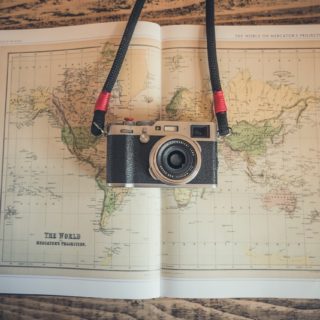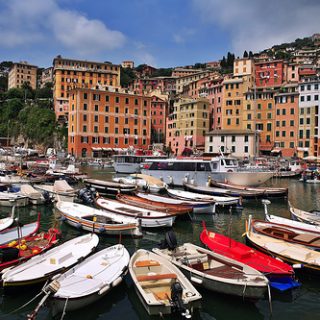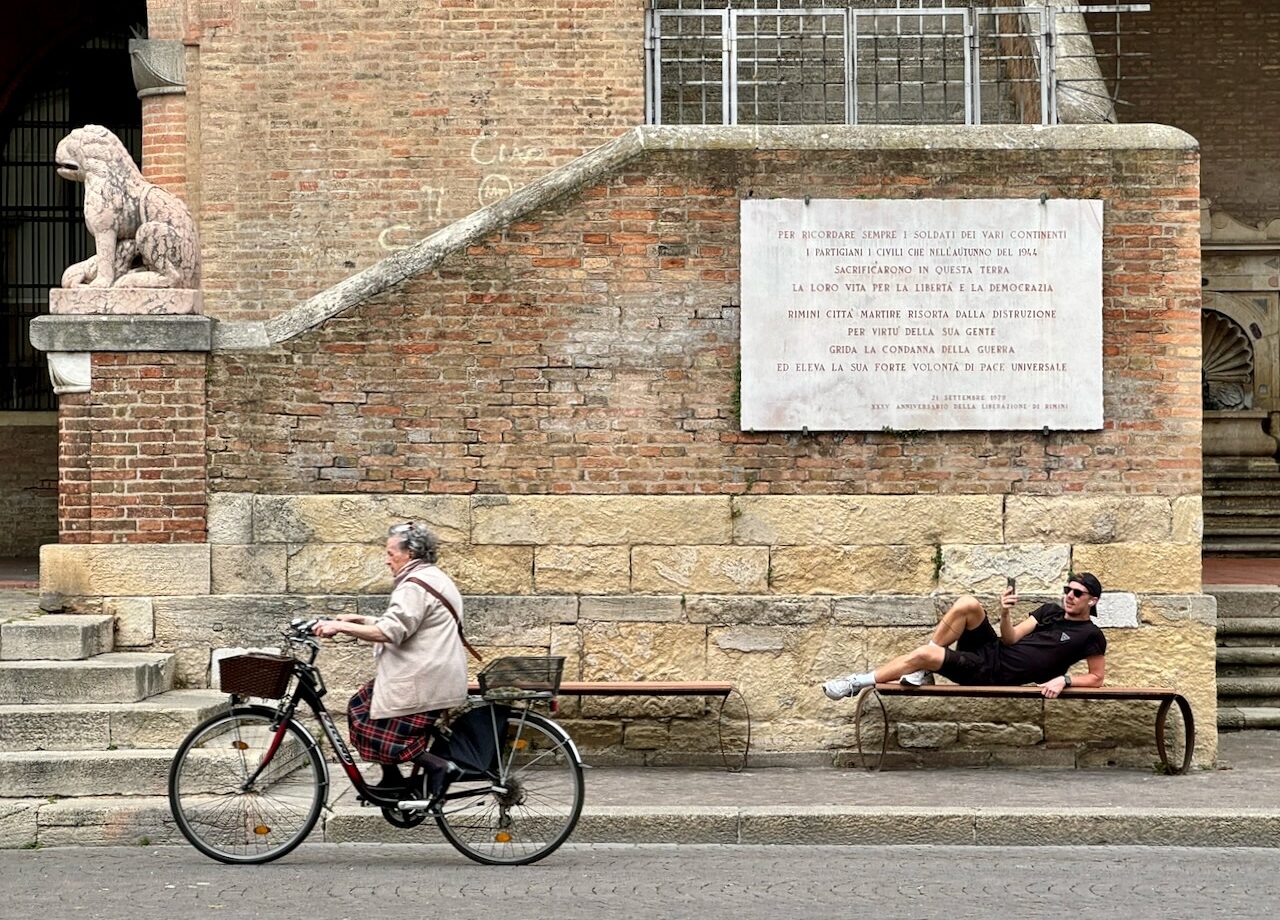
Whenever I look back on my travels, it’s the small, fleeting moments that surface first. The scent of freshly baked bread drifting through the air, the hum of conversation in a lively square as I sip a glass of wine, a spontaneous chat with a local, or the warm greeting from the barista at the café I visited each morning. When people ask about my earliest trips to famous places around the world, in many cases I find myself responding with a casual shrug and a quiet, “been there, done that.”
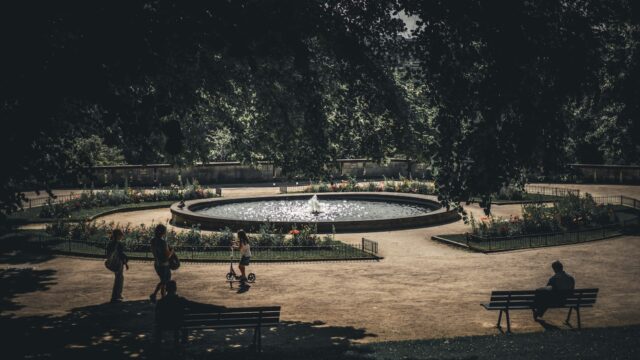
I was a different traveller in my twenties: driven by my list of must-do’s and sees, I rushed from one place to the next, cramming in as many top sights as I could. One day, during a conversation with friends, it occurred to me that my first visit to Paris was little more than a vague memory of visiting well-known landmarks. One moment stood out though: I vividly remember sitting on a bench in a park with a jambon beurre baguette. Something about the late-afternoon light, the simple yet heavenly butter and ham sandwich, the animated chatter around me, and the elderly gentlemen playing pétanque nearby made the buzz of hurried sightseeing fade away, and I felt something more meaningful during that brief moment: presence.

The essence of slow travel
Over time, I realised that for travel to be an enriching experience, I had to slow down, linger, savour and absorb. Whereas my travel days in the past read like a bullet point presentation, nowadays, I plan a lot less and often let each day slowly unfurl. This approach has allowed me to notice subtleties: palm fronds caressed by a breeze, the cadence of everyday greetings or the scent of spices wafting from a market stall. These are the notes that linger long after I’ve returned home. And that is the essence of slow travel: it’s not about doing less. Quite the opposite. It’s about feeling more.

In an era of bucket lists, whirlwind itineraries, and social media check-ins, travel has become something to conquer rather than experience. We measure success in the number of countries visited, landmarks photographed, and Insta-driven experiences we can boast about. But somewhere between posing for the ‘gram’ at a famous spot and rushed museum tours, many travellers discover an uncomfortable truth: moving fast and ticking off a list often means feeling very little at all. That’s where slow travel offers a different, richer path.
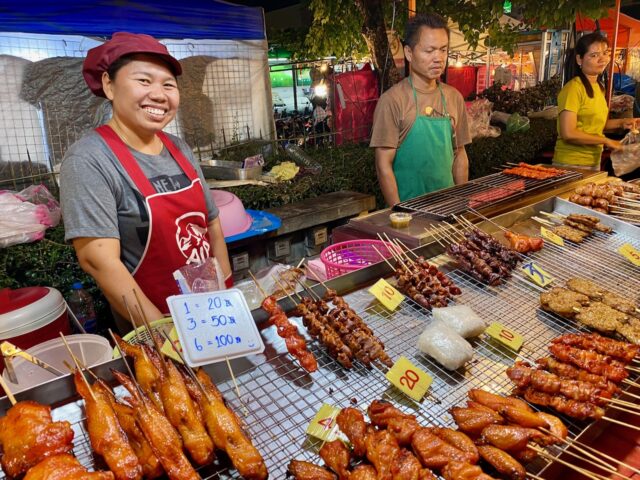
Slow travel is not about laziness or doing less. It is about doing fewer things more deeply. It is about trading quantity for quality, speed for presence, and checklists for connection. Instead of racing through three cities in five days, you stay in one place long enough for it to begin feeling familiar. The streets stop being a maze and start becoming a neighbourhood. The shopkeeper recognises you. The market vendor remembers your preferences. And gradually, you shift from being a spectator to being a participant.
Depth over distance
When you travel slowly, you give yourself the gift of context. A rushed visit to Rome might include the Colosseum, the Vatican Museums, and a quick photo at the Trevi Fountain. You leave with beautiful pictures but little understanding of daily Roman life.
Stay two weeks instead of two days, however, and something changes. You begin to notice the rhythm of the city: the quiet pause in the afternoon, the animated evening passeggiata, the way locals greet each other in the same café every morning. You might shop at a local market, attempt conversations in Italian, and learn a thing or two about the local cuisine. The city becomes layered rather than flat.
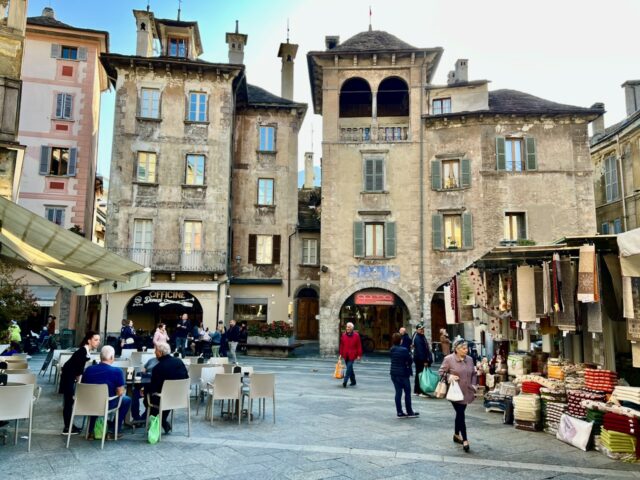
Depth fosters empathy. When you understand how people live – not just where they live – you build a connection that goes beyond tourism. Slow travel invites curiosity rather than consumption.
The unexpected
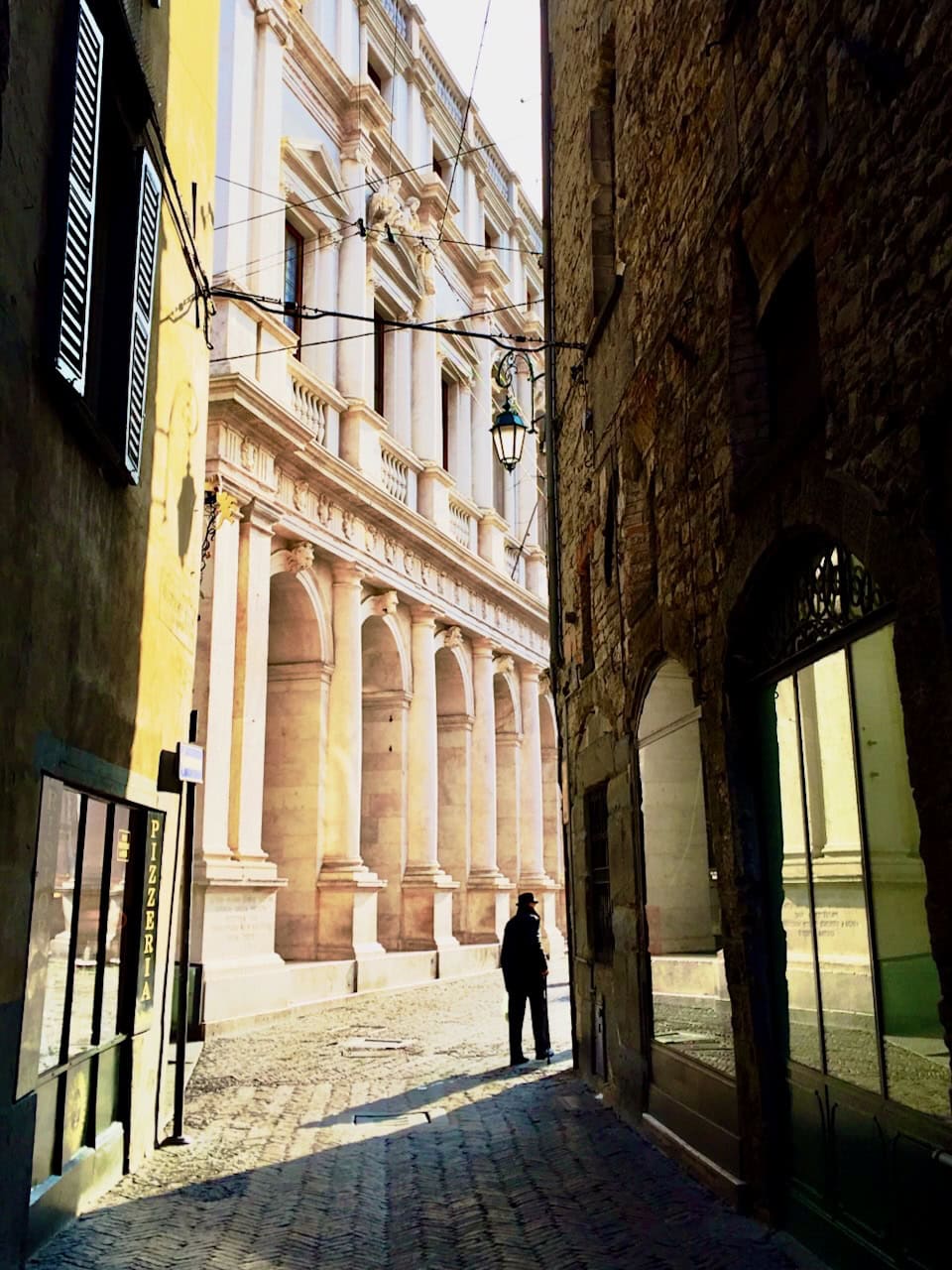
The beauty of slow travel is that it embraces the unplanned. When your schedule isn’t overstuffed, you have room to wander into a quiet alleyway, to follow a delicious scent down a side street, to accept an invitation for a simple dinner offered by someone you’ve just met. These unplanned moments are the ones that become stories you tell for years, not the carefully curated snapshots meant for social feeds.
Time creates belonging
Belonging cannot be rushed. It emerges from repetition. The second visit to the same café feels different from the first. By the third time, you’ve exchanged a few words in the local language. Something subtle – trust, perhaps – begins to form between you and the place you’re exploring.
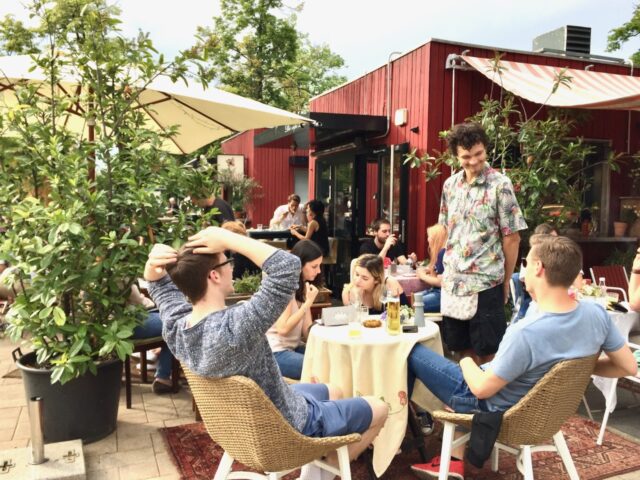
And through this trust, culture ceases to be something you observe from the outside and becomes something you participate in. You start picking up cultural nuances: what certain gestures mean, how loudly people speak, when humour is appropriate – subtleties that reveal themselves gradually.
Memory loves slowness
The one thing that I started to realise after some years of travel: the more I tried to see, the less I truly remembered. That’s the paradox of fast travel. Experiences blur together and places start to look the same.
Slow travel is rooted in ritual. And these rituals, I’ve found, are the very essence of memory. A morning walk through a quiet park. An evening aperitif at the same corner table. A daily visit to the local café where they know your order. These repeated acts are what turn fleeting impressions into lasting recollections.
Memories, after all, are emotional tapestries. They are not built through frantic motion, but through moments that resonate: laughter shared at a street stall, the surprise of a spontaneous invitation into a home or the approving looks of the nonnas as you make your first pasta.
Ways to embrace slow travel
Slow travel is less about destination and more about approach. Here are practical ways to embrace it:
1. Stay longer in one place
Choose one city or region and commit to it. Rent an apartment instead of booking multiple hotels. Unpack fully. Shop for groceries. Live there, even briefly.
2. Use ground transportation
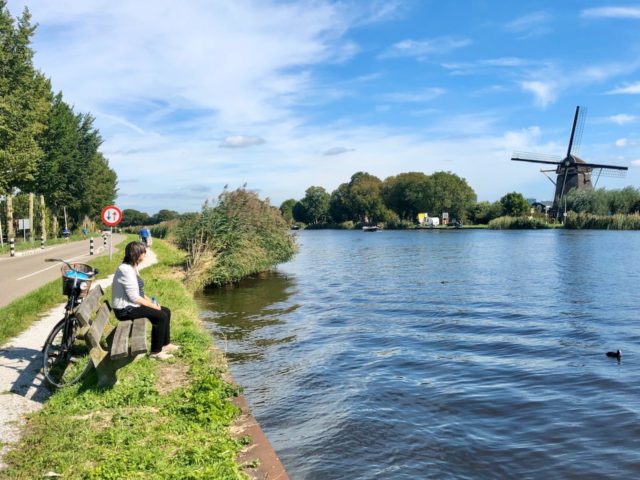
Trains, buses and even bicycles reveal landscapes that flights erase. Travelling by rail through the countryside near Munich or along the coast from Lisbon allows you to watch geography and life shift gradually. The journey becomes part of the story, not just a means to an end.
3. Create routine
It may seem counterintuitive, but routine deepens novelty. Morning walks, a favorite café (and table), a weekly market – these rituals make you feel grounded. And from that grounding, exploration becomes more meaningful.
4. Learn the language (even a little)
A few phrases transform interactions. People respond differently when you try. Language opens doors not only to conversation but to humour, storytelling and cultural insight.
5. Participate, don’t just observe
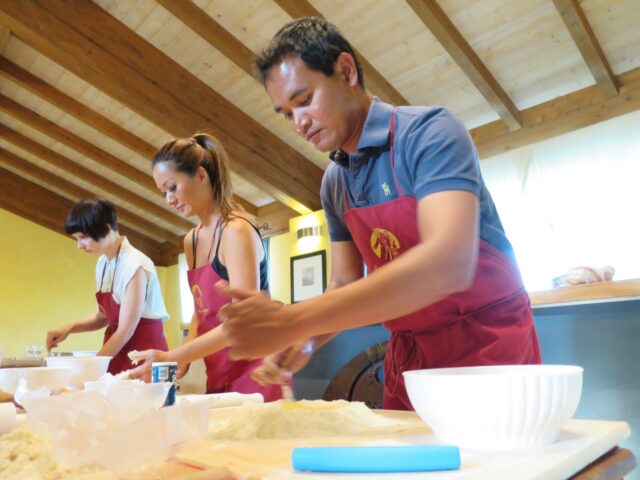
Take a cooking class. Volunteer locally. Attend a community event. Join a workshop. Engagement replaces passive sightseeing with active belonging. Some of my most cherished travel memories were formed because I participated in an activity (cooking classes are my favourites) and engaged with locals.
6. Leave space in your schedule
Sure, plan a handful of ‘must-visits’ but be mindful that not every hour needs a plan. Some of the best travel moments are unplanned: a festival you stumble upon, a conversation that stretches into dinner, a hidden courtyard discovered by accident.
7. Tune in to your senses
Let your senses lead the way as you explore a new place. Tuning into them intentionally adds depth to each moment and helps fix it more vividly in your memory. Wherever I find myself, whether at a world-famous landmark or seated at a quiet café, I make a conscious effort to notice what I can see, hear, smell, taste and touch.
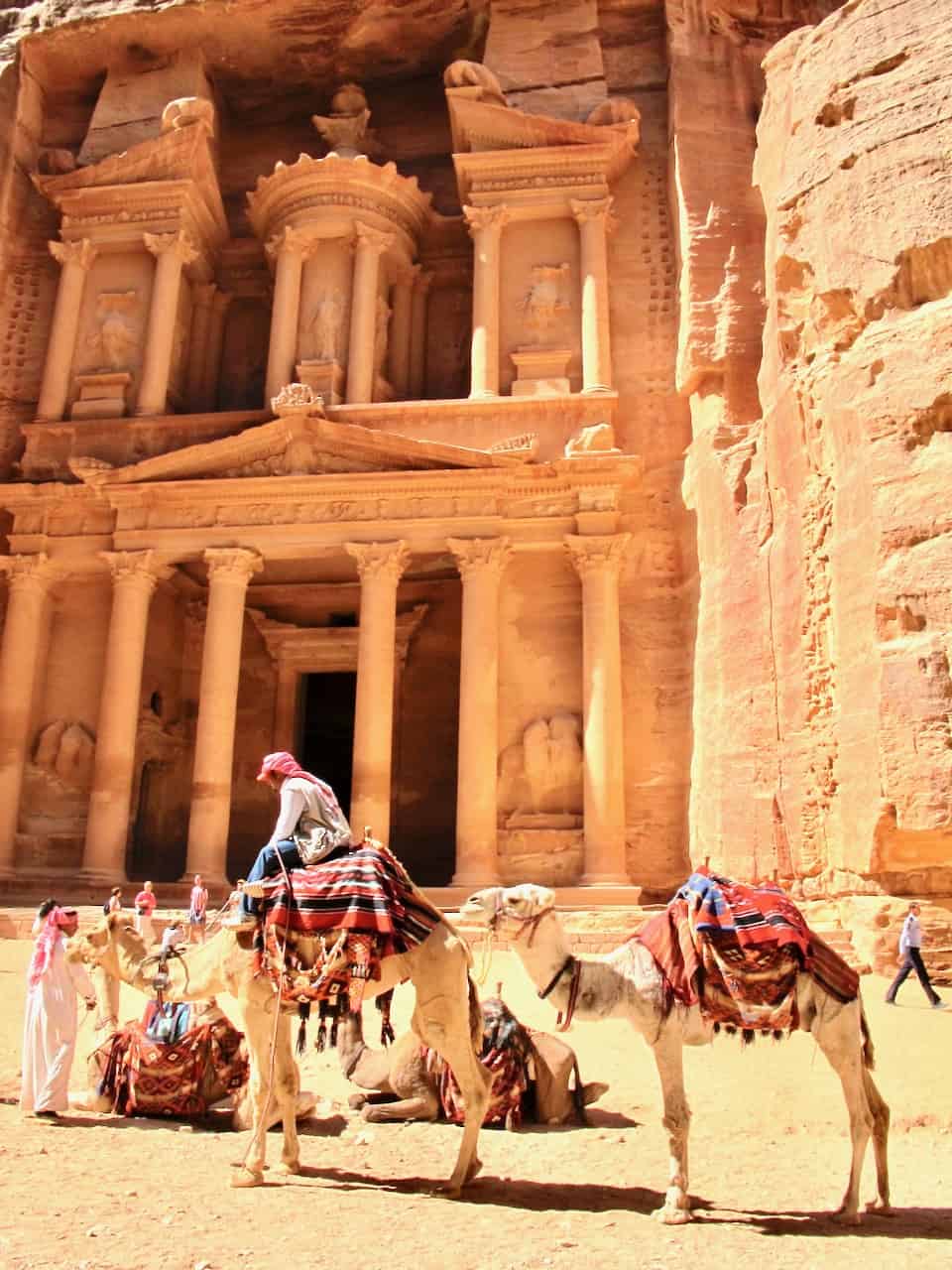
I’ll never forget my visit to Petra. Standing beside the magnificent Treasury, I remember the cool air brushing against my skin, the grainy sand beneath my feet, and the smooth rock face under my fingertips as I traced its surface. In the background, camels grunted and shifted in the heat. By listening to my senses, the moment gained texture and depth, transforming it into something far richer and more enduring.
The emotional reward
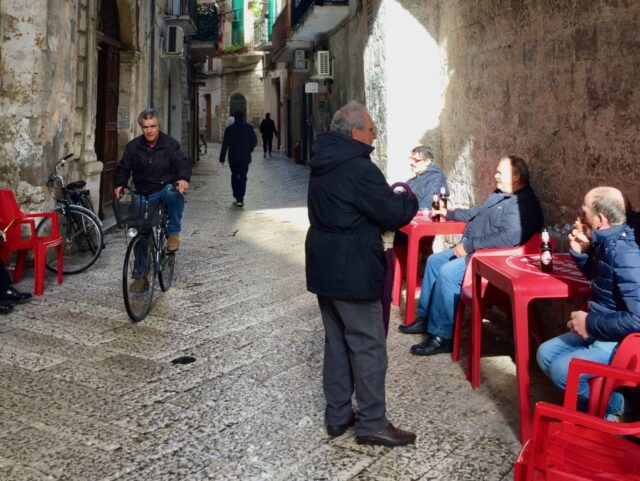
Slow travel shifts your mindset. You stop chasing experiences and start receiving them. You notice details: laundry hanging between buildings, children playing soccer in an alley, the scent of bread drifting from a bakery at dawn. These small, ordinary scenes are the heartbeat of a place. You also notice yourself. Without constant movement, there is space for reflection. Travel becomes less about escape and more about perspective. Slowness invites mindfulness.
In a world that glorifies speed, choosing to travel slowly is quietly radical. It resists the pressure to accumulate and instead embraces the art of immersion. It allows places to change you, not just entertain you.
Years later, you may not remember every monument you saw. But you will remember how a place felt. You will remember the faces, the flavours, the rhythms. You will remember the sense of belonging that crept in softly, almost unnoticed, until one day you realised you were no longer just visiting – you were living.
And that is why slow travel is not merely a style of travel. It is a philosophy. One that values presence over pace, connection over consumption and moments over miles.