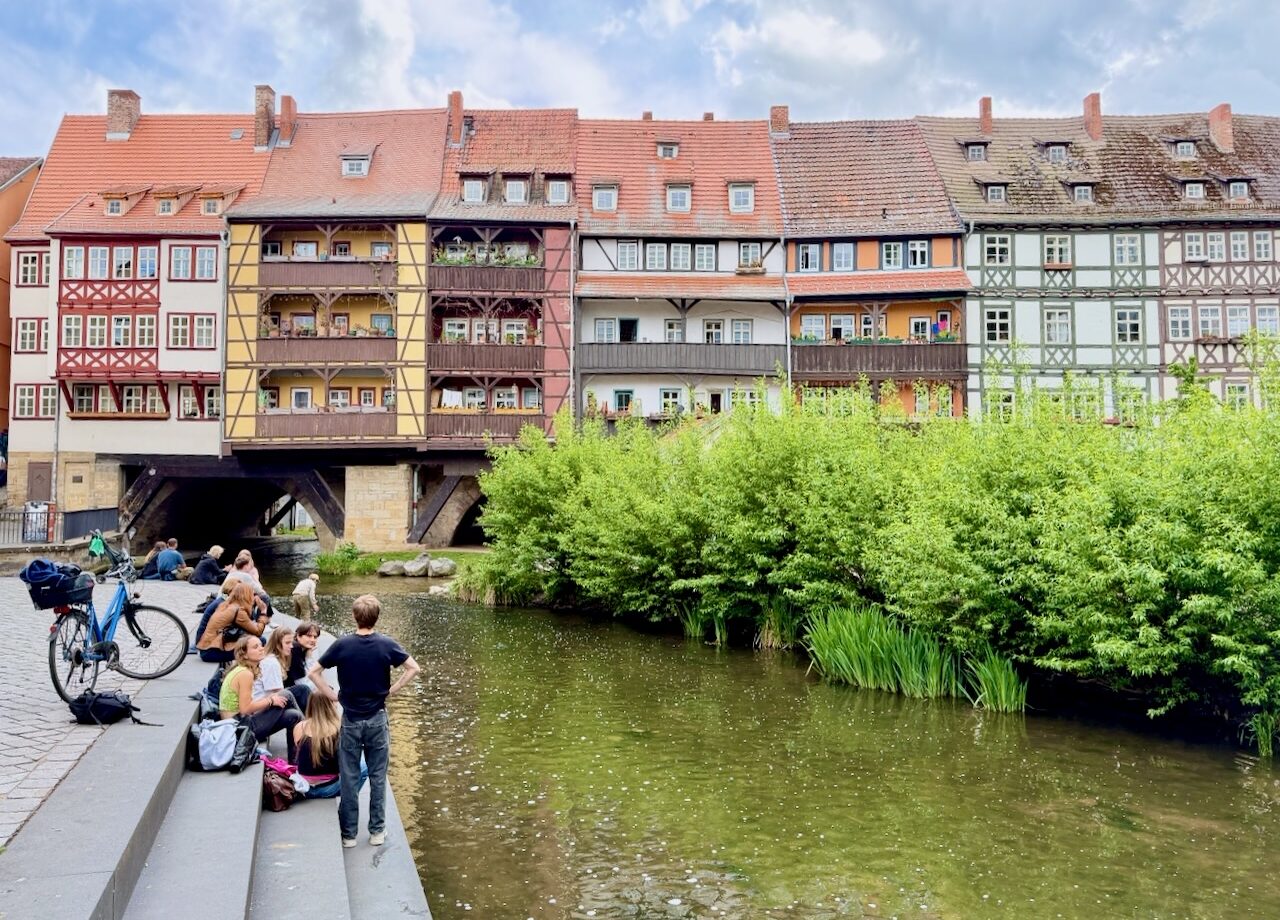
There’s something magical about arriving in Erfurt. Perhaps it’s the sight of church spires rising above a sea of terracotta rooftops, or the way narrow cobbled lanes wind through centuries-old merchant quarters. Unlike many German cities that were heavily damaged during WWII, Erfurt emerged largely intact, leaving behind one of the most beautifully preserved medieval city centres in the country. The result is a city that feels wonderfully authentic, where history is not confined to museums but woven into the very fabric of daily life. There are many things to see and do in Erfurt, and it’s compact enough to explore on foot. Follow my self-guided walking tour of Erfurt to soak up the city’s charm, from its iconic bridge lined with timber-framed houses to hidden courtyards and magnificent churches.

I’d visited Erfurt once before. Alas, the sun was already setting when I arrived and I’d only planned a one night stay with a morning departure. I vividly remember my long walk across Erfurt in the evening, and promising myself that I would one day return. While planning my recent northern Germany rail trip, I had the opportunity to add Erfurt to my itinerary. I’m so glad I did, because this city is simply enchanting!
A brief history of Erfurt
Erfurt’s history stretches back more than 1,200 years. First mentioned in the 1st century AD, the city quickly grew into an important trading centre thanks to its strategic location at the crossroads of major European trade routes. During the Middle Ages, Erfurt prospered through the trade of woad, a plant used to produce blue dye that was highly sought after across Europe. The wealth generated by this trade funded the construction of impressive churches, monasteries and merchant houses, many of which still stand today.

The city was also an important intellectual centre. The University of Erfurt, founded in 1379, became one of the most prestigious institutions in the German-speaking world. Its most famous student was Martin Luther, whose years in Erfurt would profoundly influence both his life and the course of European history.
Things to see in Erfurt – a walk around the old town
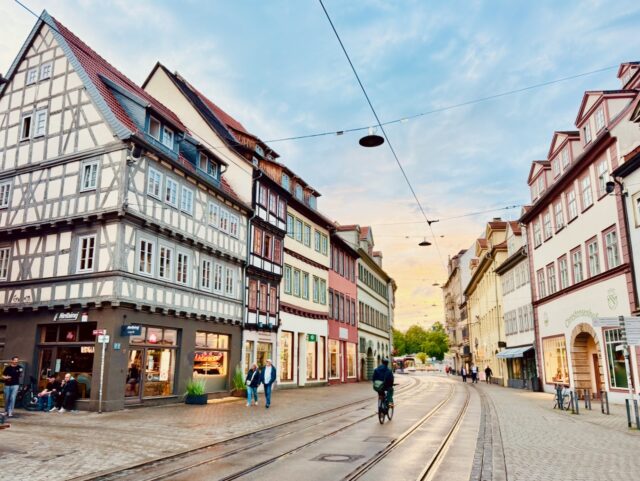
My self-guided walking tour of Erfurt’s medieval town, which can be covered in 1-2 days, starts at the impressive Domplatz. From here, lose yourself in Erfurt’s enchanting Altstadt (old town). This is where the city truly shines. The narrow lanes are lined with colourful façades, half-timbered houses and hidden courtyards.
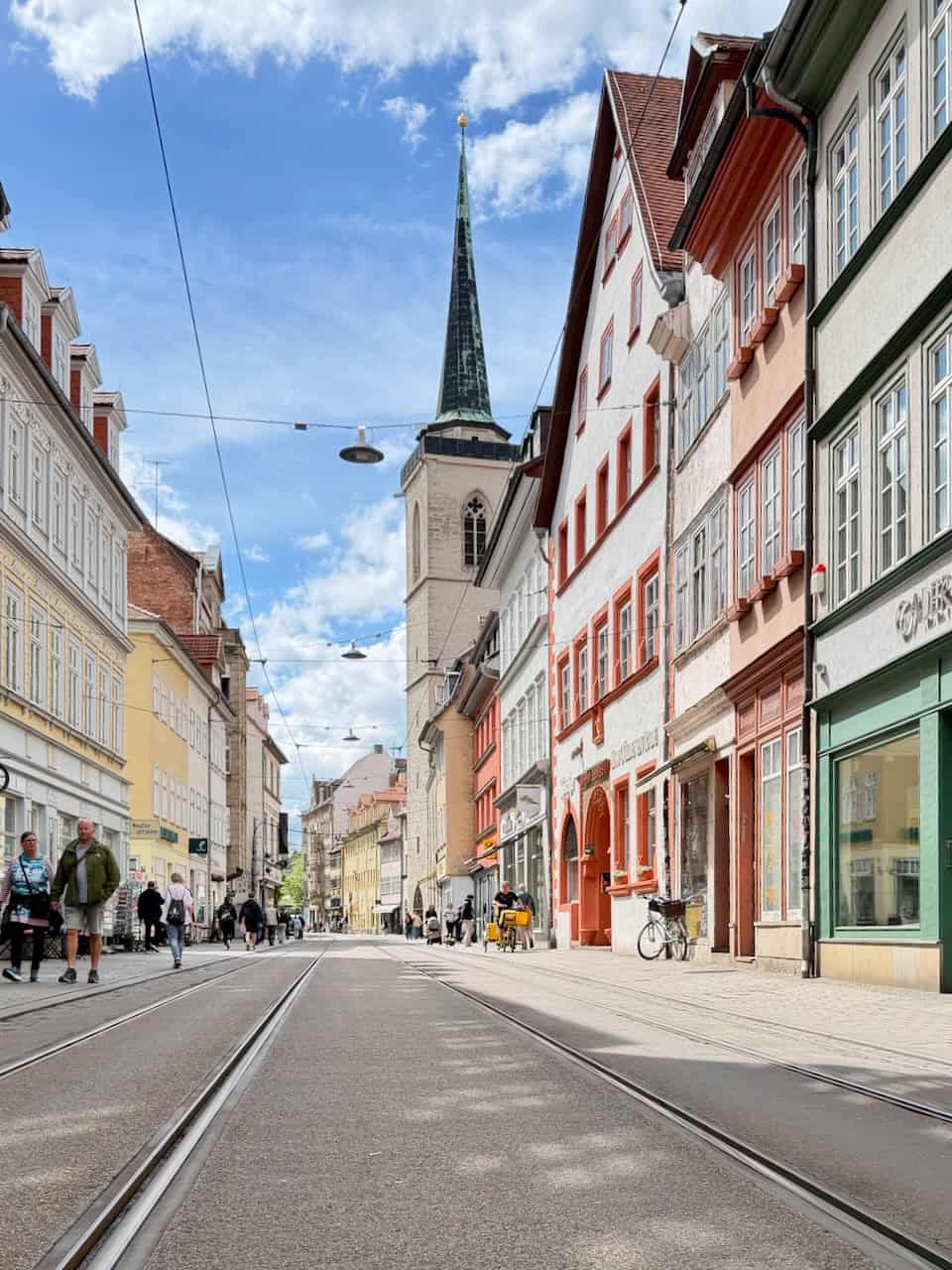
Unlike some historic centres that feel staged for visitors, Erfurt’s old town remains vibrantly lived-in. Students cycle past medieval buildings, residents shop at local bakeries and cafés spill onto bustling squares.
Keep an eye out for the many Renaissance and Baroque details tucked away above doorways and windows. The beauty of Erfurt lies as much in these small discoveries as in its headline attractions. Here are the top things to see in Erfurt, the sequence of which follows the walking route in the map above.
1. Domplatz
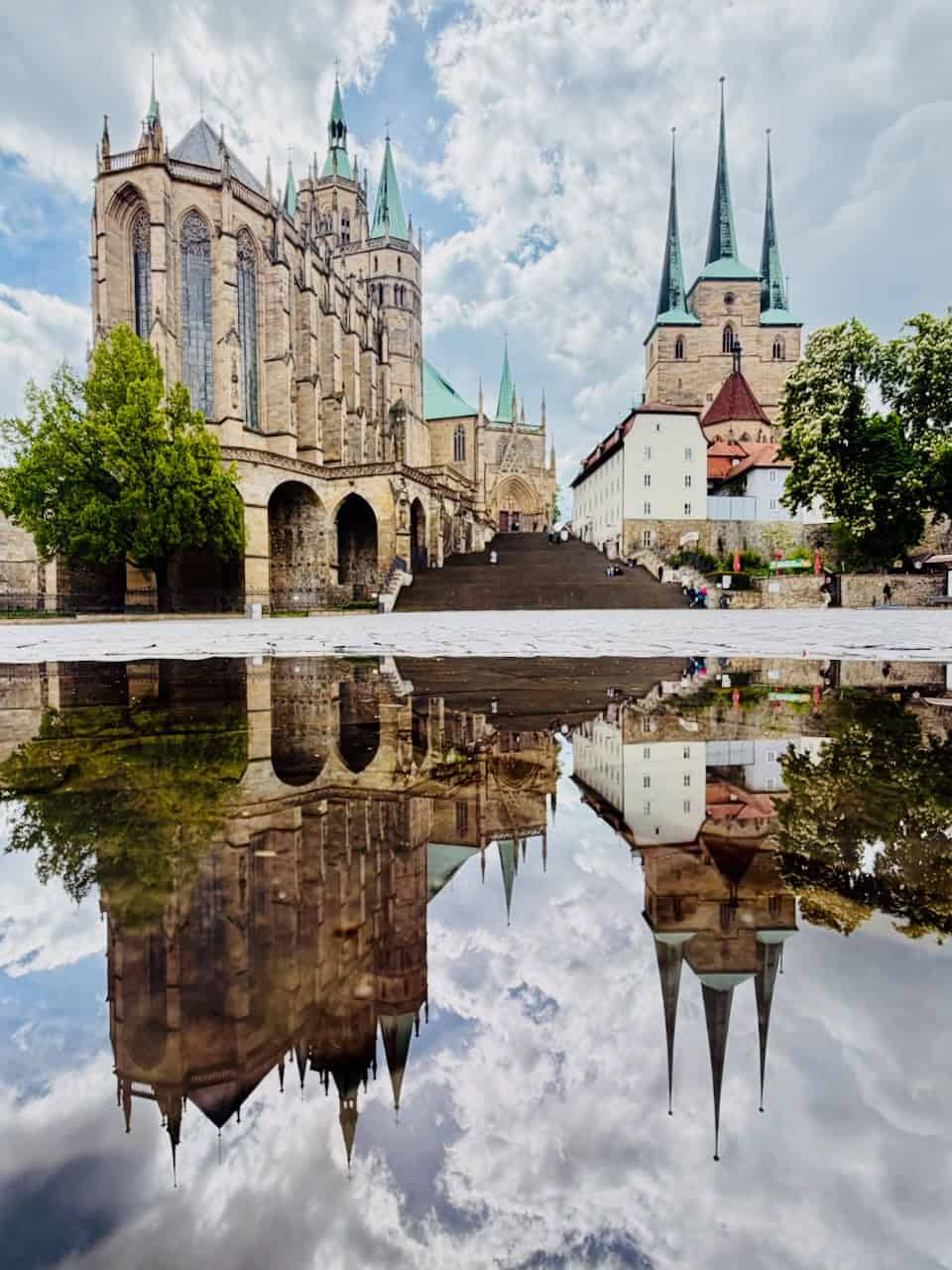
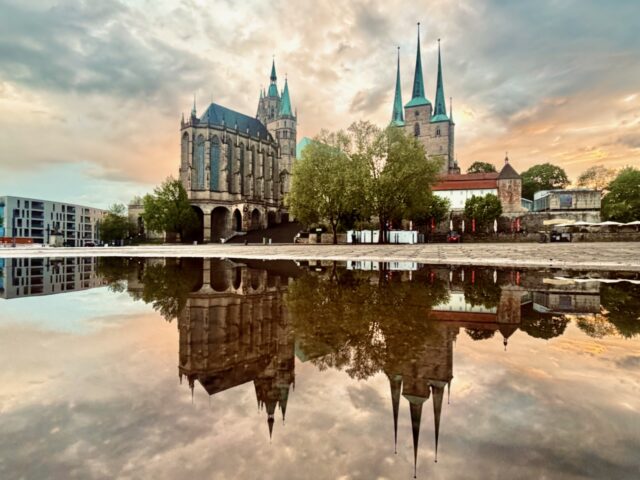
A walking tour of Erfurt naturally starts at Domplatz, one of Germany’s largest and most impressive market squares. Framed by historic buildings and bustling cafés, the square is dominated by the magnificent silhouette of St. Mary’s Cathedral and St. Severus Church, perched atop a broad stone staircase.
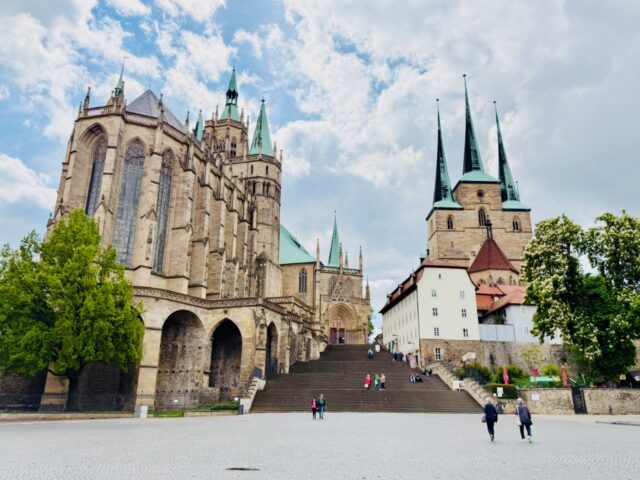
The cathedral’s soaring Gothic architecture immediately commands attention. Step inside to admire the remarkable stained-glass windows and the Gloriosa, the world’s largest medieval free-swinging bell, cast in 1497. Next door, the twin-spired St. Severus Church creates one of the most iconic cityscapes in Germany. Take a moment to sit on the cathedral steps and admire the view across the square. On market days, the plaza comes alive with vendors selling local produce, flowers and regional delicacies.
Andreasstrasse Memorial
For a deeper understanding of Germany’s more recent history, make time to visit the Andreasstrasse Memorial, a stone’s throw from Domplatz. Housed in a former prison used by both the Nazi regime and later the East German secret police (Stasi), the memorial documents the experiences of political prisoners and those who resisted dictatorship.
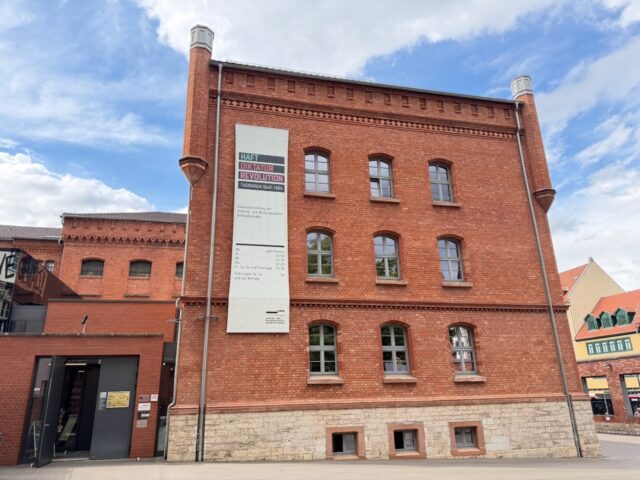
Through personal testimonies, multimedia exhibits and preserved prison cells, visitors gain a powerful insight into life under two oppressive regimes. The memorial serves as a poignant reminder of the importance of freedom, democracy and human rights, adding another layer to Erfurt’s rich and complex historical narrative.
2. Cathedral and St. Severus Church
The twin churches represent the spiritual heart of Erfurt and offer a fascinating glimpse into the city’s medieval prosperity. The combination of Romanesque and Gothic architecture reflects centuries of construction and adaptation.
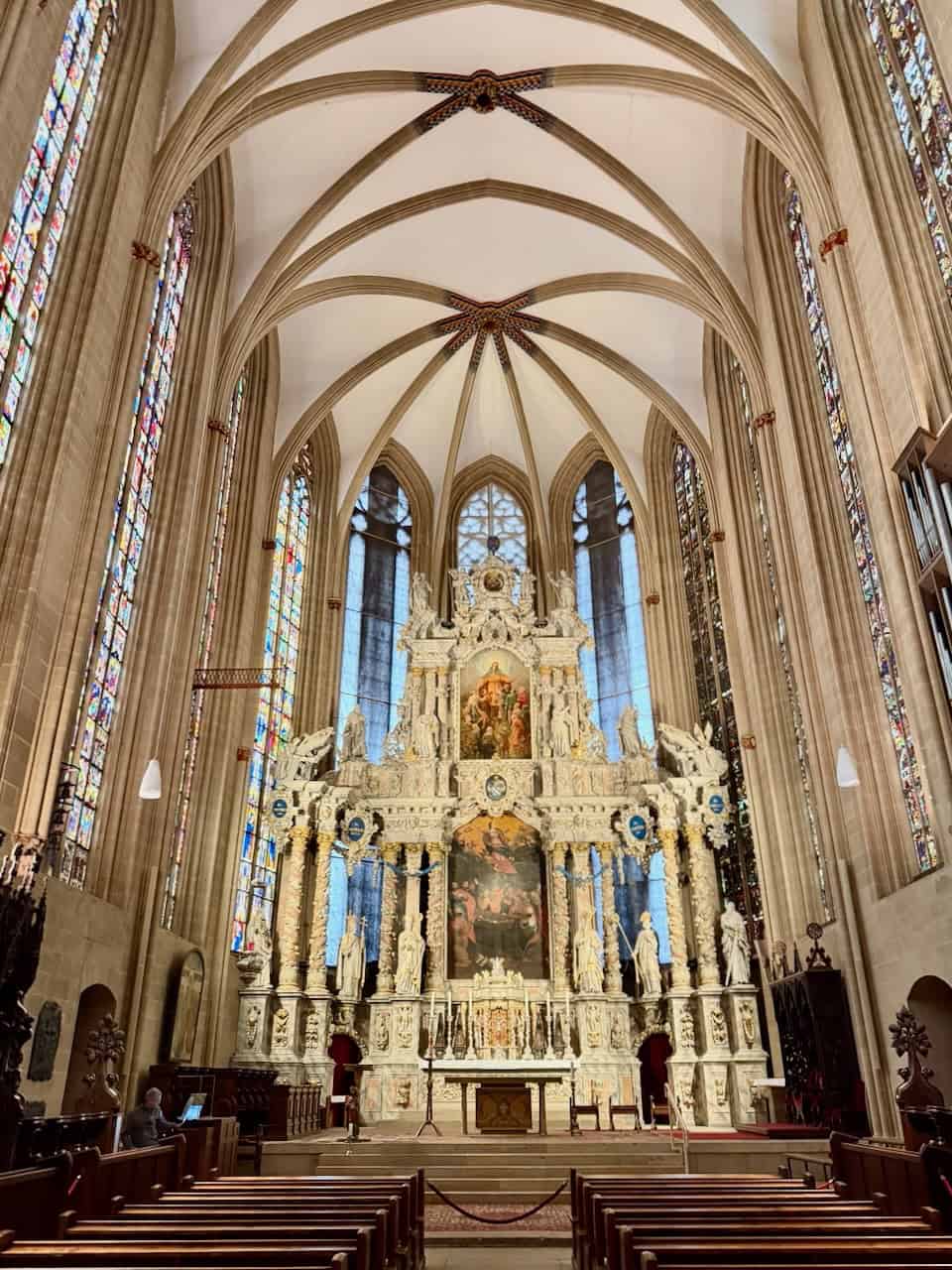
The cathedral houses an impressive collection of religious artefacts, while the atmospheric interior of St. Severus Church provides a quieter and equally rewarding experience. Together, they form one of the most striking ecclesiastical ensembles in Europe.
3. Haus zum Sonneborn
Among Erfurt’s many historic buildings, Haus zum Sonneborn (House of the Sunborn) stands out as a fine example of the wealth once enjoyed by the city’s merchant class. Little is known about the building – it may have been the house of a merchant and/or a warehouse for woad. The two holes in the wall above the entrance suggest it could have been a brewery at some point – a bundle of grain would be placed in the hole whenever freshly-brewed beer was available.
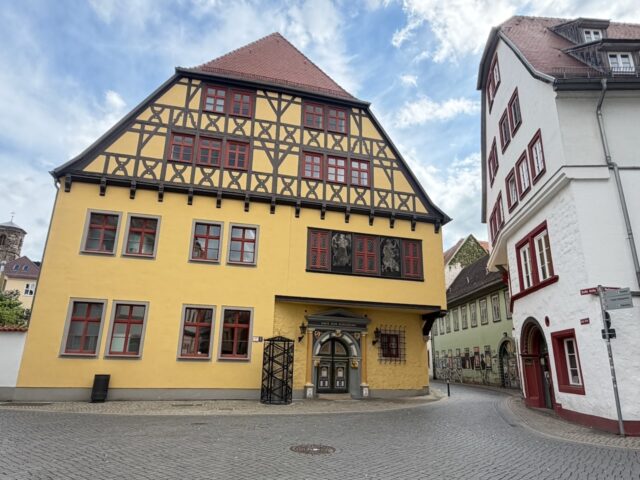
Nowadays a popular wedding venue, this 16th century Renaissance-era building is a worthwhile stop for anyone with an interest in Erfurt’s rich architectural heritage.
4. Rathaus (Old City Hall)
Standing proudly on Fischmarkt, Erfurt’s historic market square, the neo-Gothic Rathaus is one of the city’s most striking civic buildings. Constructed in the late 19th century, its richly decorated façade and imposing tower reflect the confidence and prosperity of Erfurt during that period.
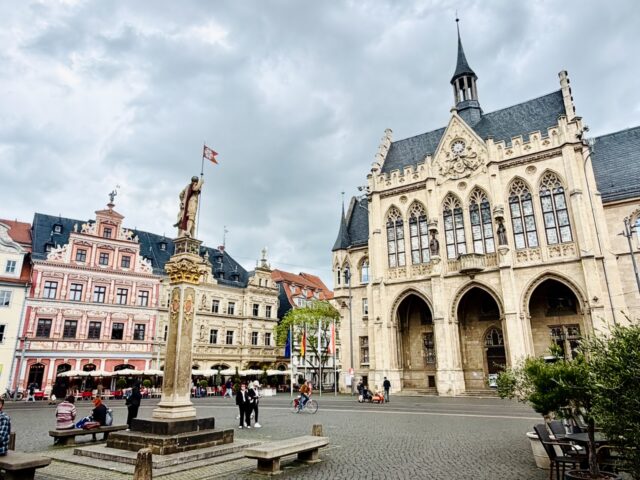
Step inside to admire the grand staircase and a series of impressive murals depicting key moments in Thuringian history, including scenes from the life of Martin Luther. Even if you don’t venture indoors, the Rathaus forms a beautiful backdrop to Fischmarkt and is an excellent place to pause and soak up the atmosphere of the city centre.
5. Dämmchen
The River Gera quietly winds through the city, creating numerous scenic corners and viewpoints. Several pleasant walking paths follow the waterways, offering a more relaxed perspective of Erfurt.
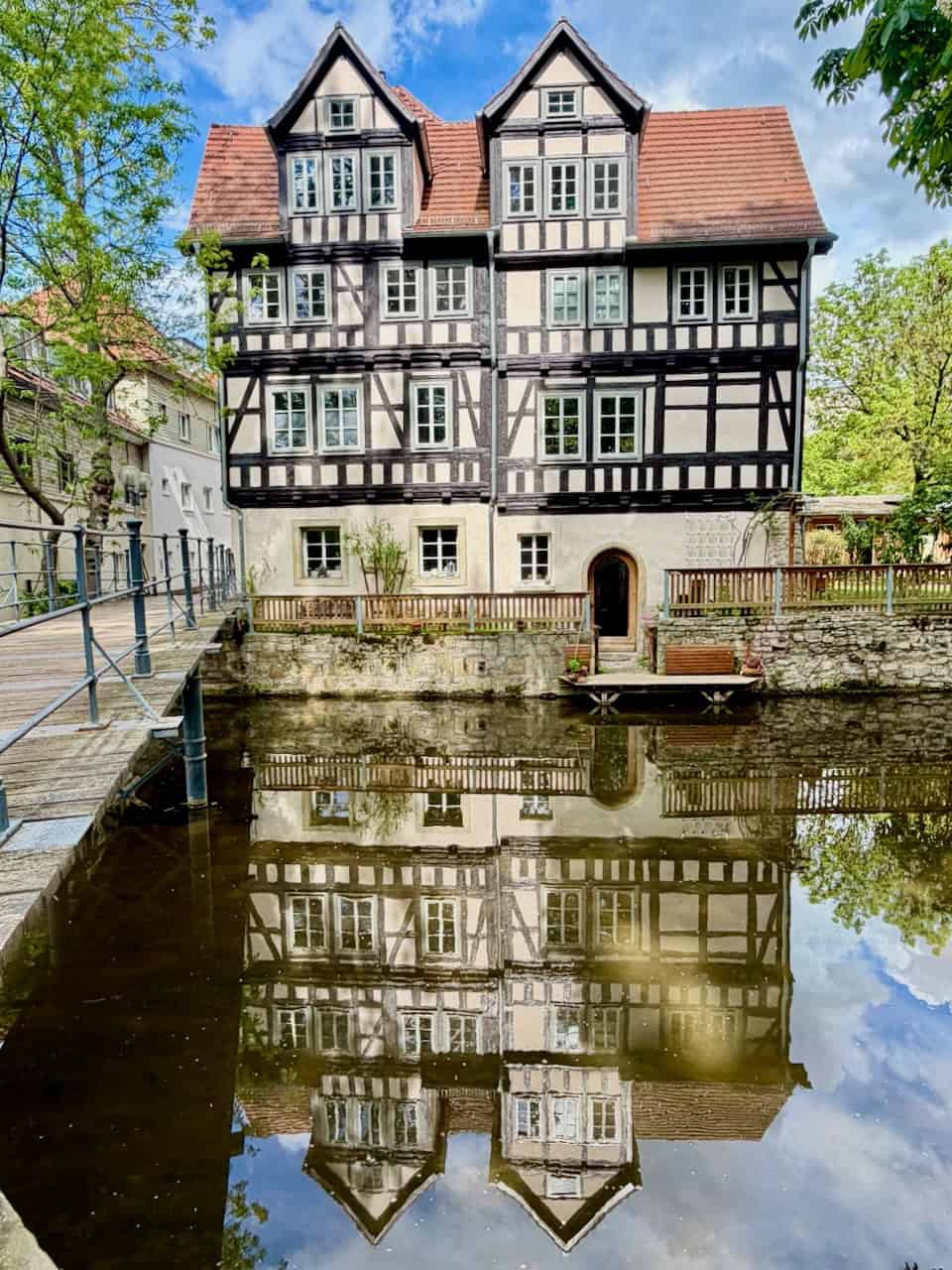
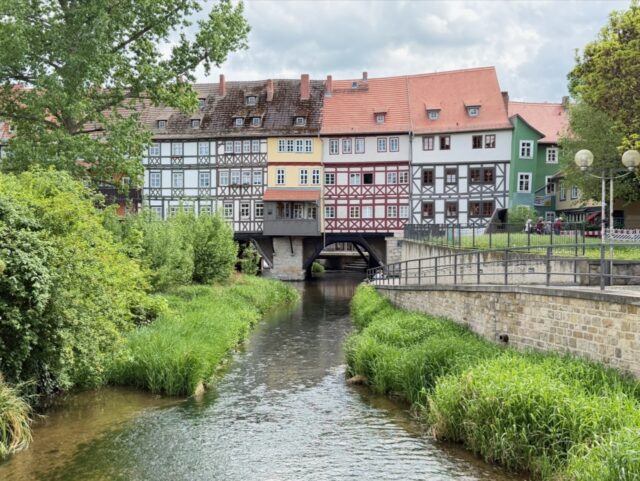
One of Erfurt’s most charming and photogenic lanes, the Dämmchen is a narrow pedestrian path that runs alongside a branch of the River Gera near the Krämerbrücke. As you wander along this peaceful stretch, look out for the beautifully preserved half-timbered houses, their reflections creating postcard-perfect scenes. Flower boxes, small gardens and historic wooden façades add to the fairy-tale atmosphere, making it one of the most picturesque corners of the old town. It’s also a great place to see the fairytale-like exterior of the Krämerbrücke.
6. Augustiner Monastery
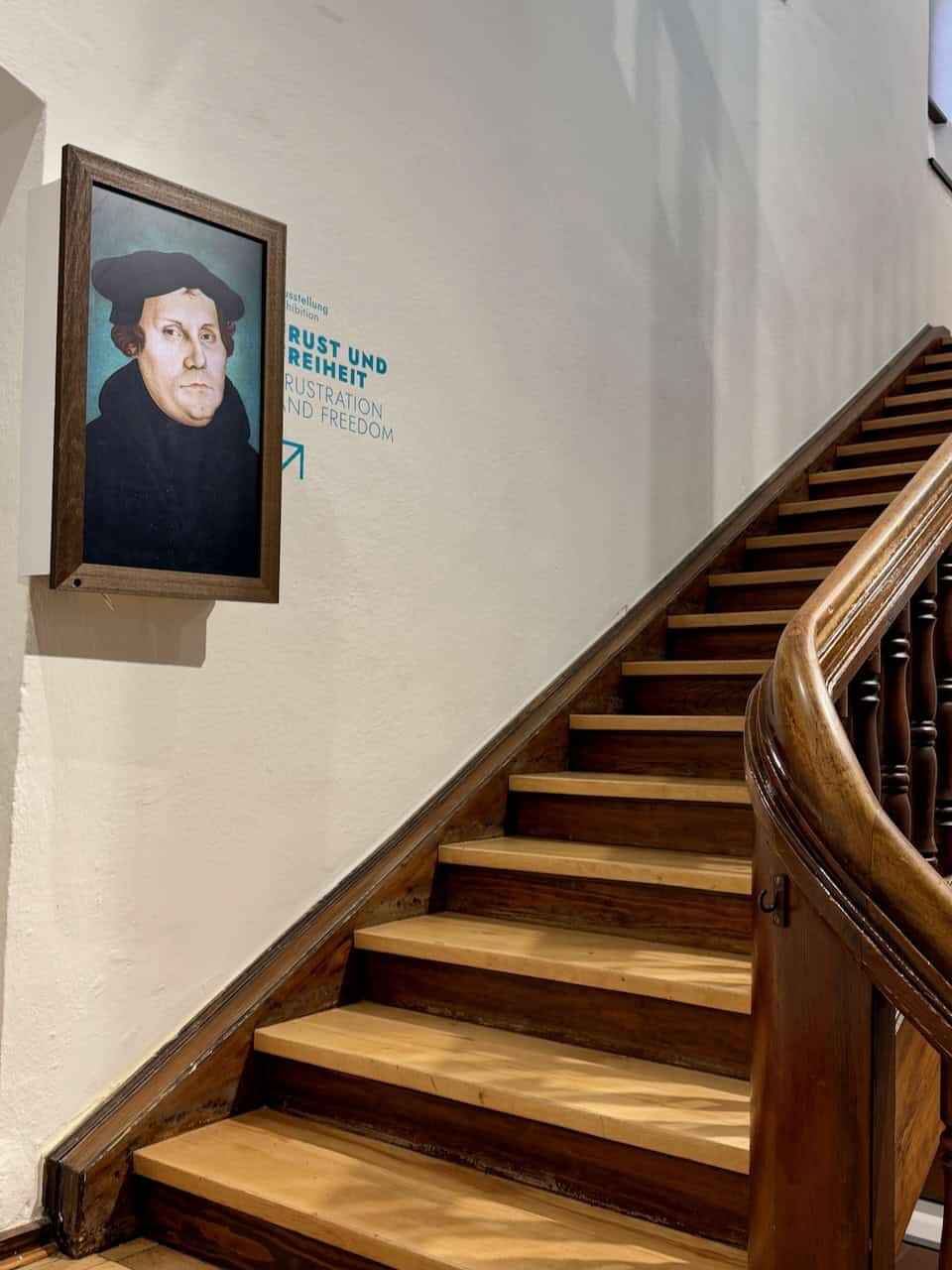
Erfurt played a pivotal role in the life of Martin Luther. After enrolling at the University of Erfurt in 1501, he studied law before experiencing a life-changing moment during a violent thunderstorm near the city. Fearing for his life, Luther vowed to become a monk if he survived.
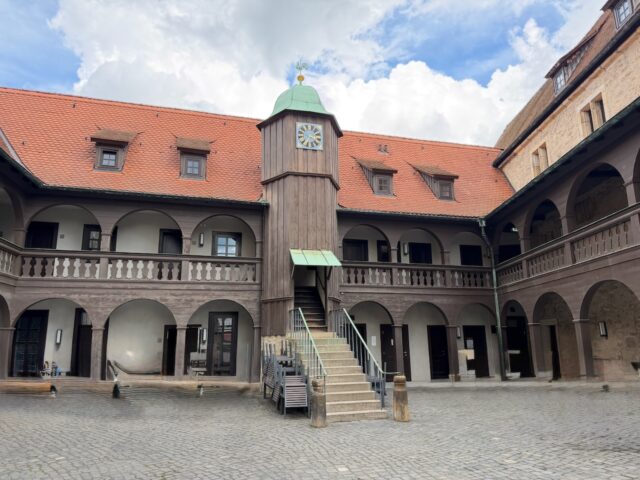
True to his promise, he entered the Augustinian Monastery in Erfurt in 1505. Visitors can tour the monastery, where Luther lived and studied for several years. The complex contains fascinating exhibits about his life and the beginnings of the Protestant Reformation.
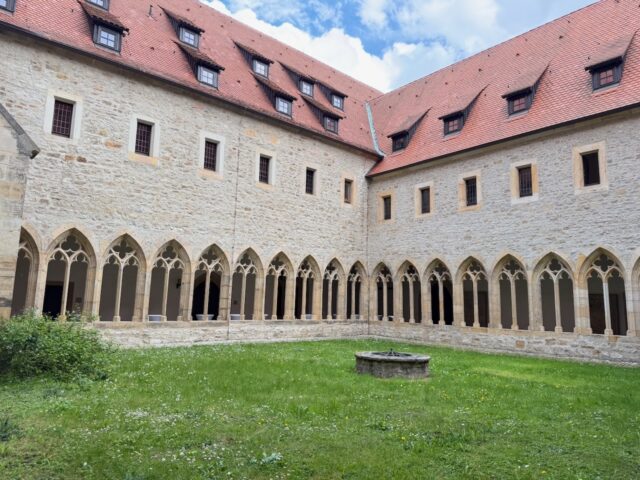
For anyone interested in European history, following Luther’s footsteps through Erfurt provides valuable insight into the formative years of one of Christianity’s most influential figures.
7. Krämerbrücke
No visit to Erfurt would be complete without crossing the Krämerbrücke, or Merchants’ Bridge. This is the city’s most famous landmark and one of the most extraordinary bridges in Europe.
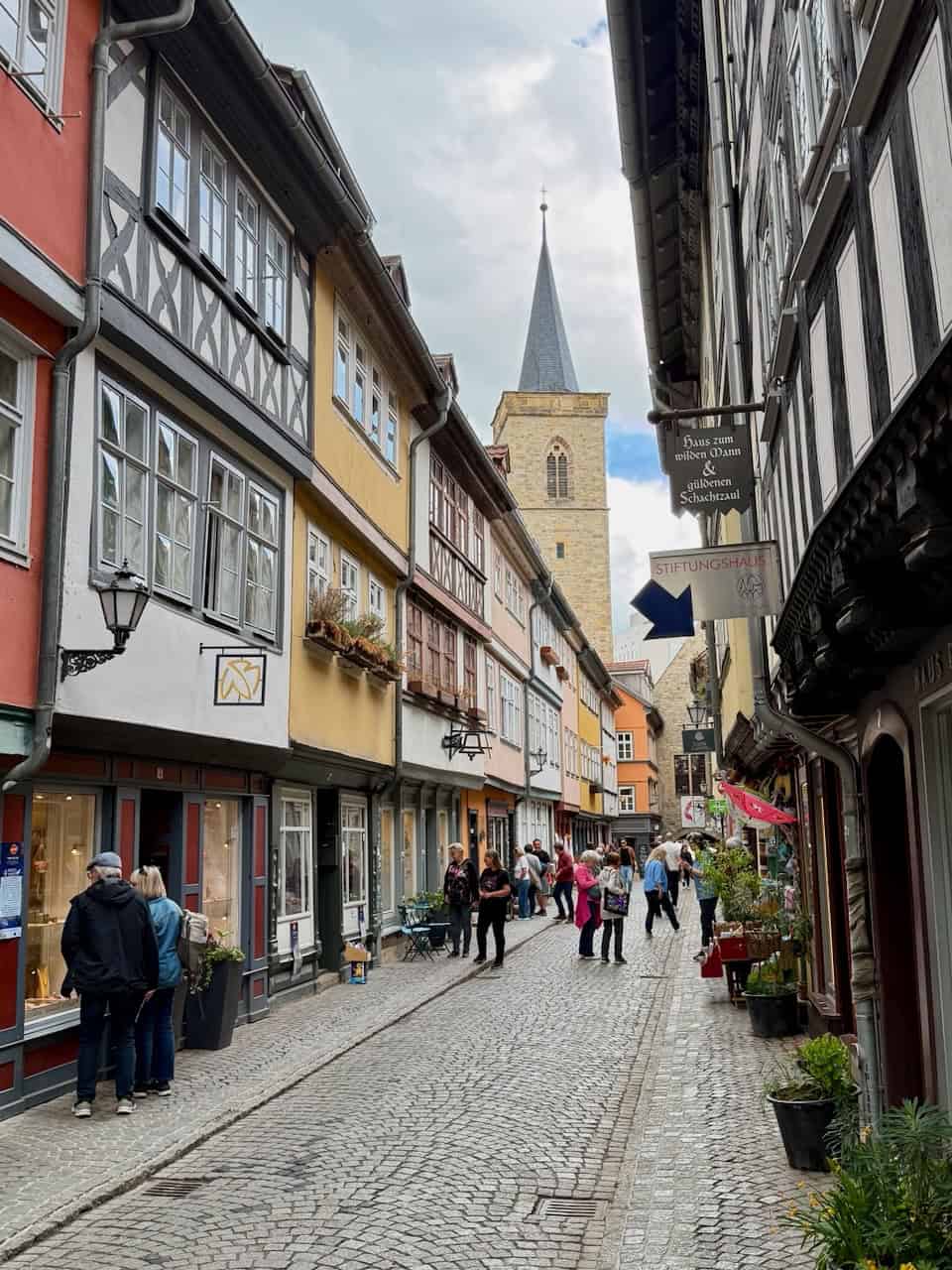
Spanning the River Gera, the bridge is lined on both sides with beautifully preserved half-timbered buildings. Originally constructed in stone in 1325, it remains the longest continuously inhabited bridge in Europe. Walking across the bridge is one of the top things to do in Erfurt. I remember my first visit to Erfurt when I searched for the bridge only to realise that I was actually on it!
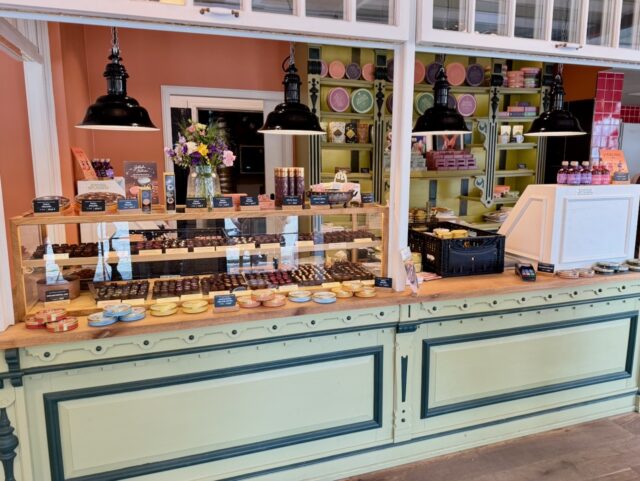
Be sure to browse the independent shops and pause to appreciate the picturesque views of the bridge from the riverbanks. One of the shops to look out for on the bridge is Goldhelm Schokolade (chocolates). What started as a small local business has now grown into an institution. And rightfully so – their chocolates are fantastic! Grab a pack of their Krämerbrücke truffels.

8. Old Synagogue
The Old Synagogue is one of Erfurt’s most remarkable historical sites. Dating back to the 12th century, it is among the oldest synagogues in Europe.
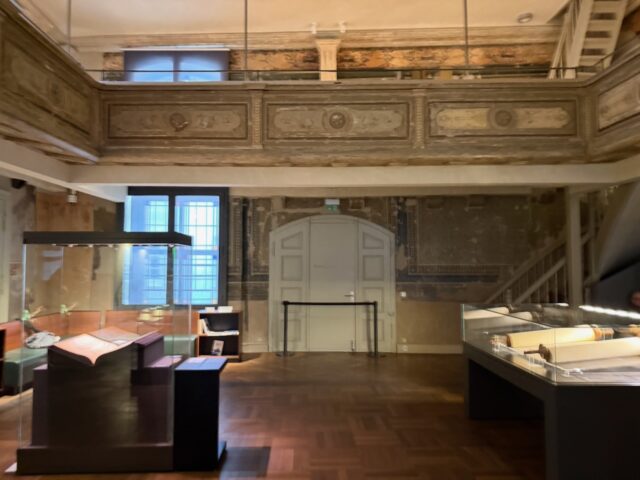
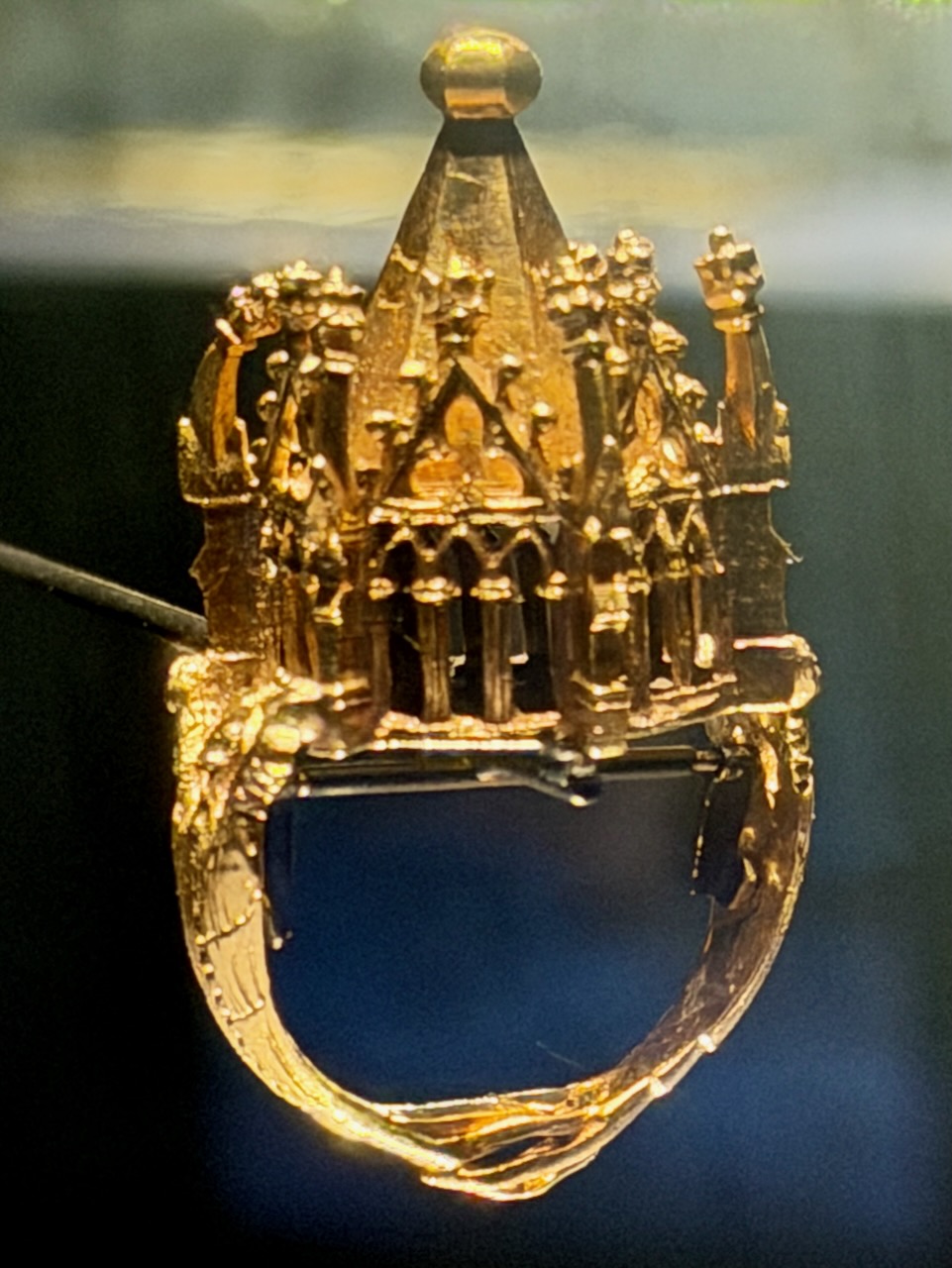
Before being uncovered as a synagogue in the 1990’s, the building was used as a restaurant and party venue! Today, it serves as a museum documenting the rich history of Erfurt’s medieval Jewish community. The highlight is the Erfurt Treasure, a collection of gold coins, silverware and jewellery hidden during the 14th century and rediscovered centuries later.
9. Schlösserbrücke
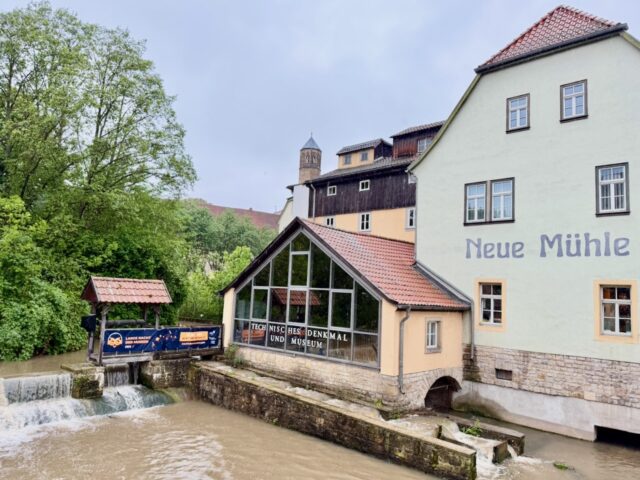
Another picturesque spot along the River Gera is the Schlösserbrücke, a historic stone bridge that offers lovely views of the surrounding waterways and medieval cityscape. While it may not enjoy the fame of the Krämerbrücke, the bridge is an integral part of Erfurt’s network of rivers and canals that once powered mills and supported trade throughout the city.
10. Petersberg Citadel
For panoramic views over Erfurt, make your way to Petersberg Citadel. One of Europe’s largest and best-preserved Baroque city fortresses, it occupies a strategic hilltop position overlooking the old town. Built on the foundations of a medieval Benedictine monastery, the star-shaped Baroque citadel was strengthened by Napoleon in the 19th century.
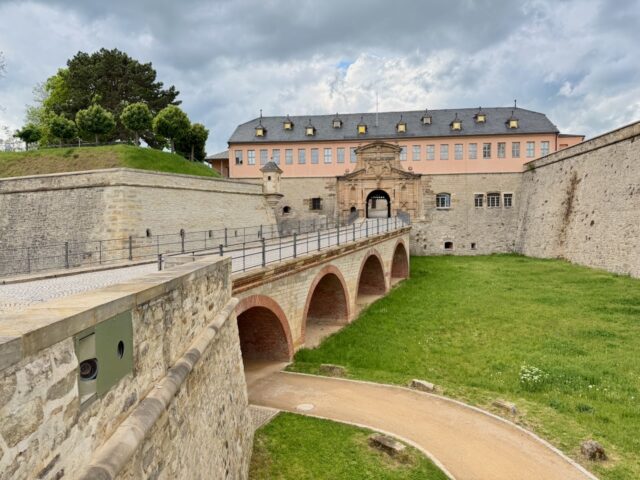
Walking along the ramparts rewards visitors with spectacular views of cathedral spires, medieval rooftops and the surrounding Thuringian countryside.
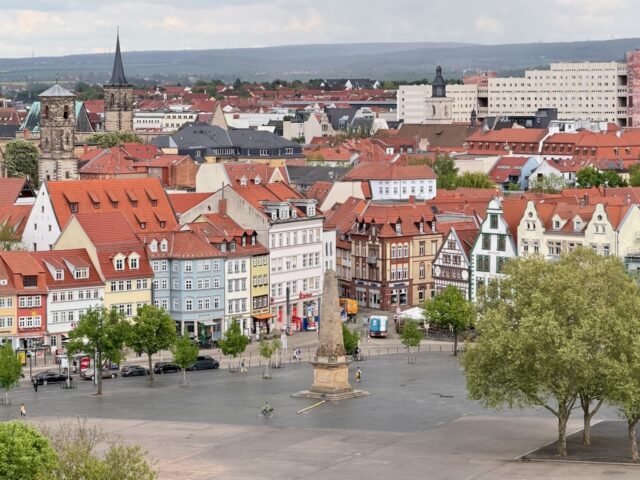
The fortress itself is fascinating, with underground tunnels, bastions and centuries of military history waiting to be explored.
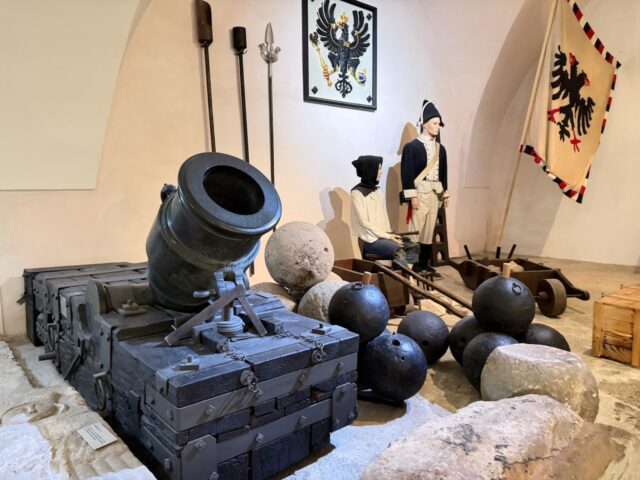
Discover hidden courtyards
One of Erfurt’s greatest pleasures is exploring its hidden courtyards. Many historic merchant houses conceal beautiful inner courtyards accessible through unassuming archways.
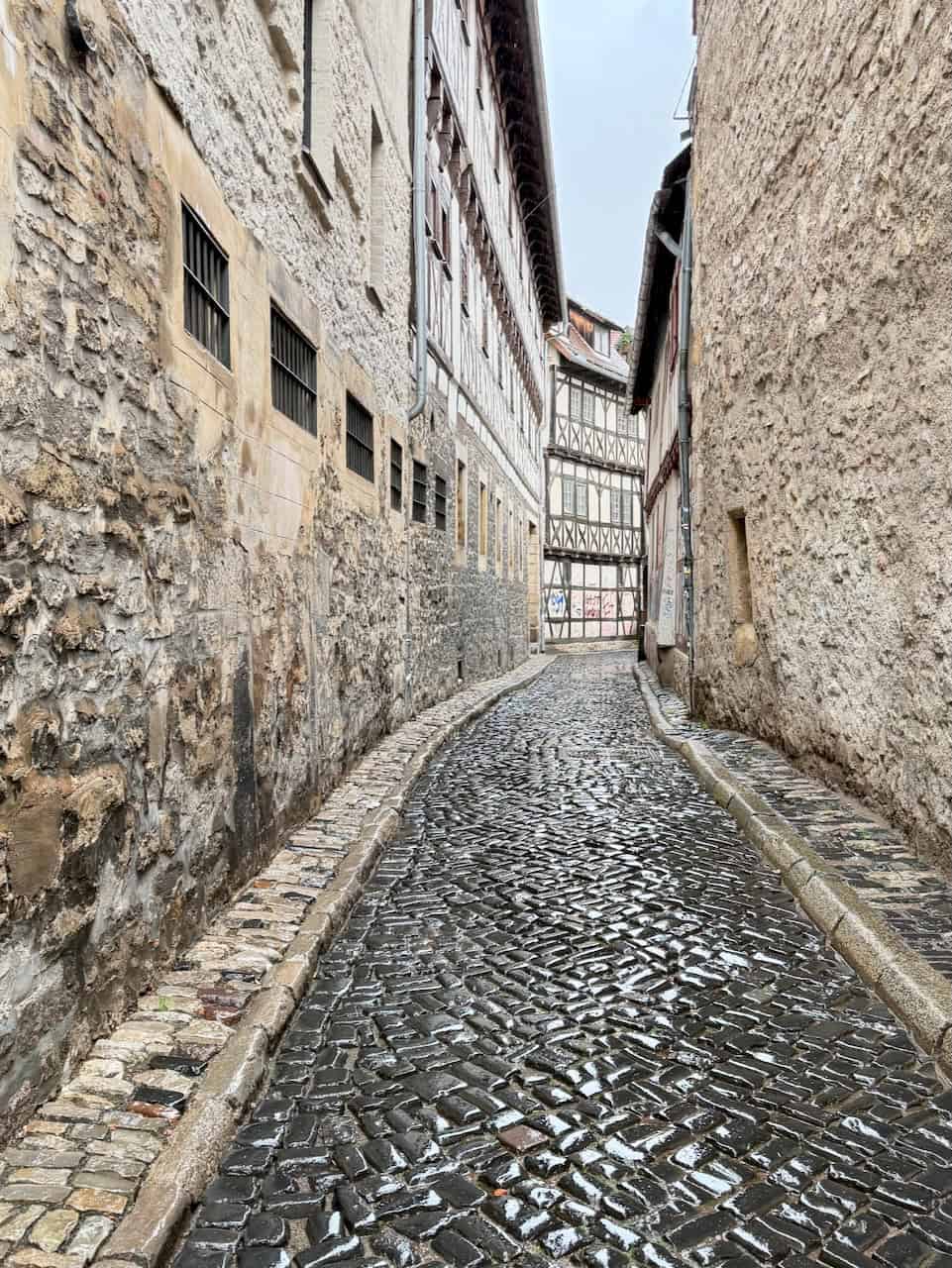
These peaceful spaces reveal another side of the city – quiet gardens, artisan workshops, small cafés and beer gardens, and centuries-old architecture. They offer a glimpse into the lives of the wealthy merchants who once dominated Erfurt’s economy. Simply wandering and following your curiosity often leads to the most memorable discoveries.
Enjoy Erfurt’s café culture and food
After a day of sightseeing, take time to enjoy one of Erfurt’s many cafés and restaurants. The city’s relaxed atmosphere encourages lingering over coffee and cake while watching local life unfold.
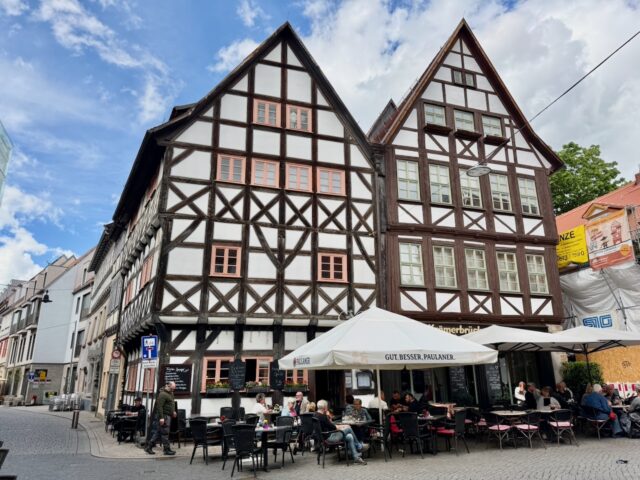
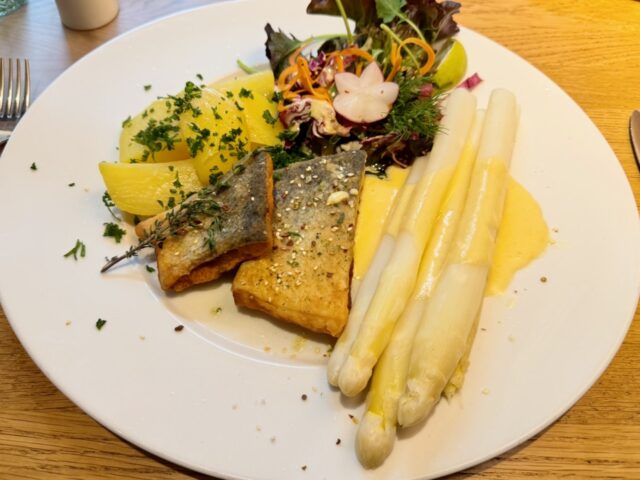
Regional Thuringian cuisine is worth sampling, particularly the famous Thüringer Rostbratwurst. Pair it with a locally brewed beer and you have the perfect reward after a day spent exploring the city on foot. At the foot of St. Severus Church, you’ll find a beer garden and a stall selling some of Erfurt’s best Thuringian sausages.

For terrific Thuringian cuisine in Erfurt, I recommend Platzhirsch (Wenigemarkt 10, near Krämerbrücke), Zum Güldenen Rade (Markstrasse 50, near Rathaus) and Wirtshaus am Dom (Domplatz 12).

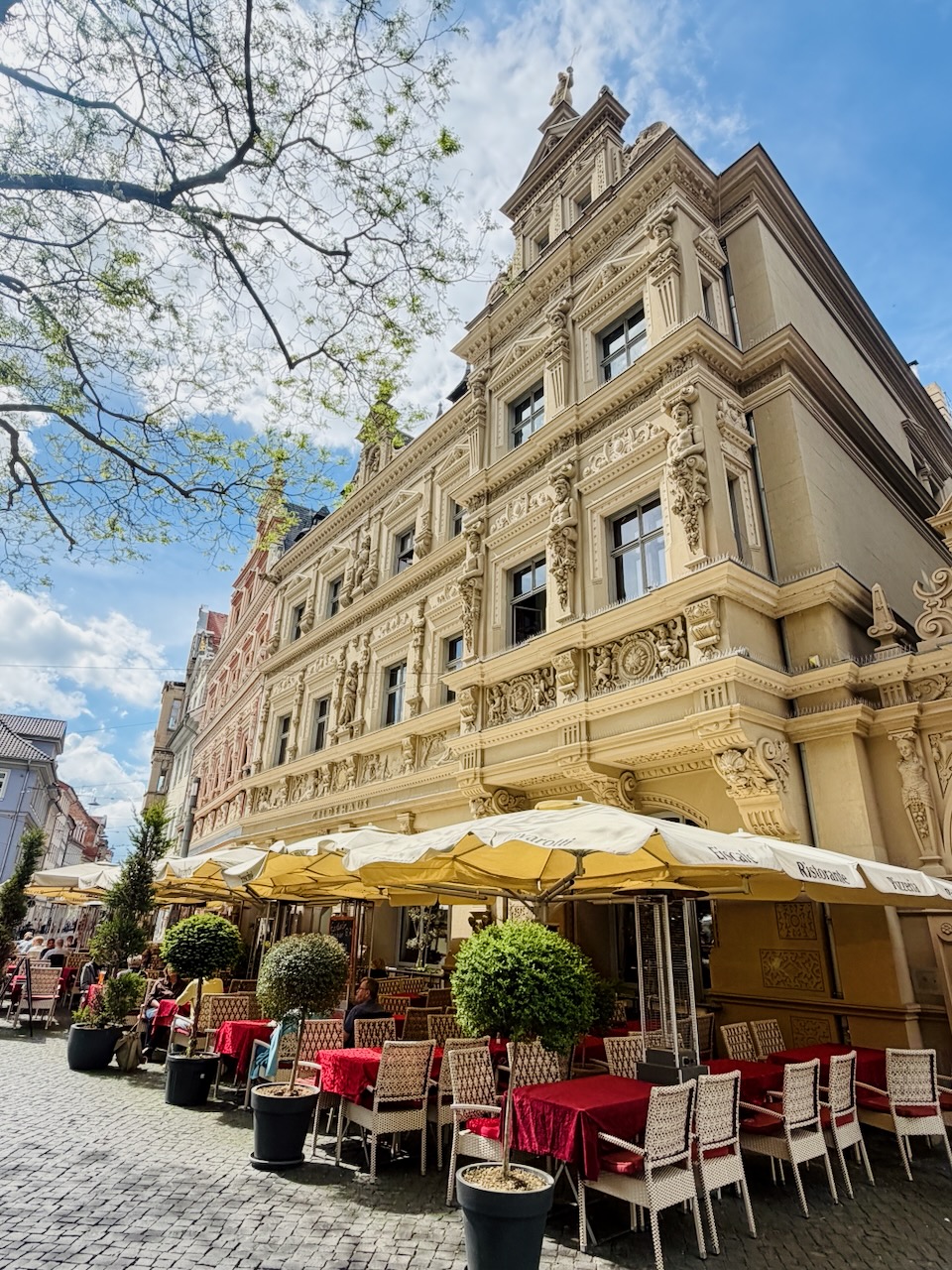
For indulgent coffee, cakes, ice-cream and chocolate, visit Goldhelm Schokolade Café (Kreuzgasse 5, near Dämmchen).
Outside the old town
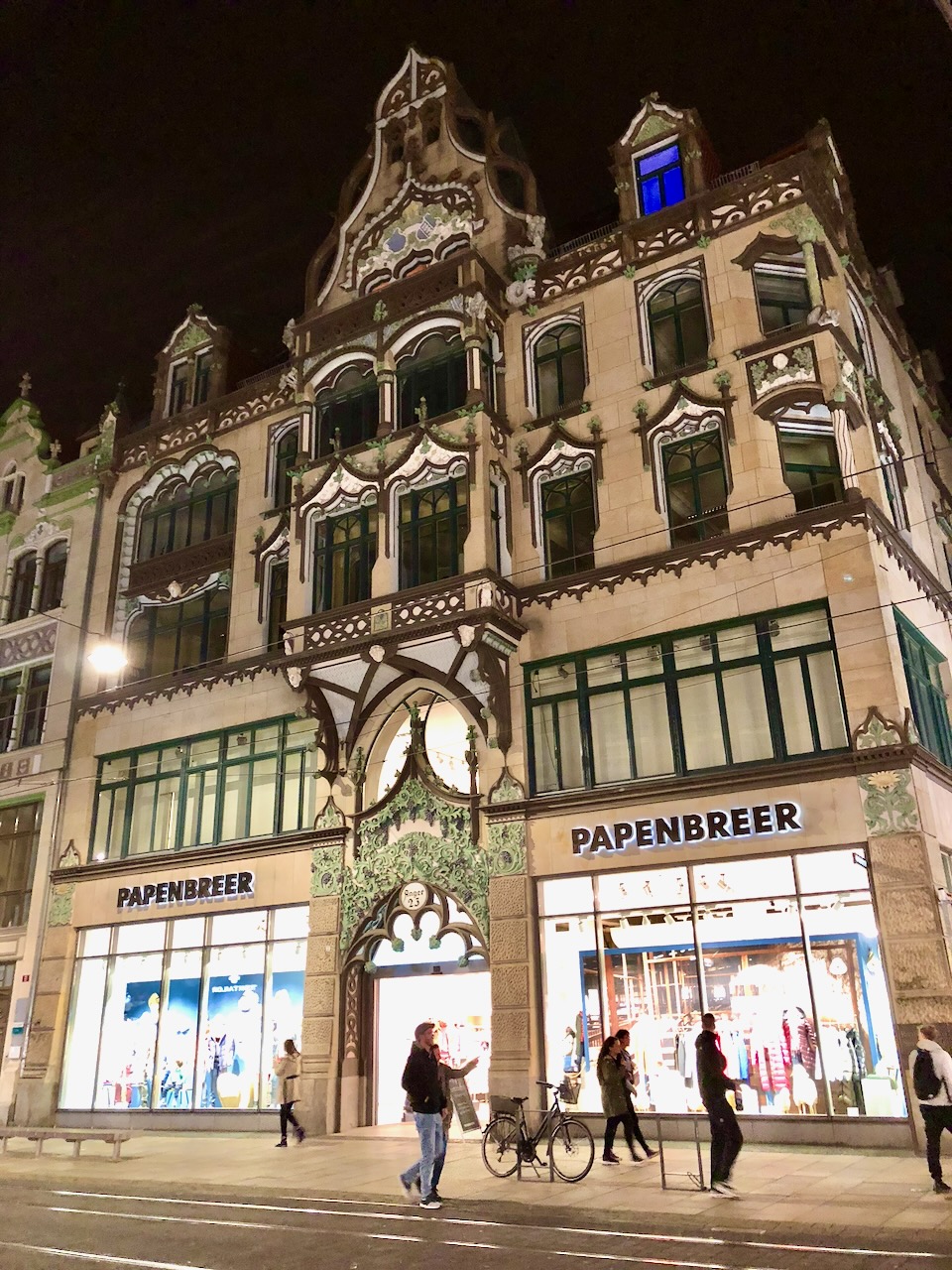
Should you have time, I also recommend walking along Anger, roughly located between the old town and the train station. A popular shopping street, Anger is filled with absolutely gorgeous buildings in a variety of architectural styles.
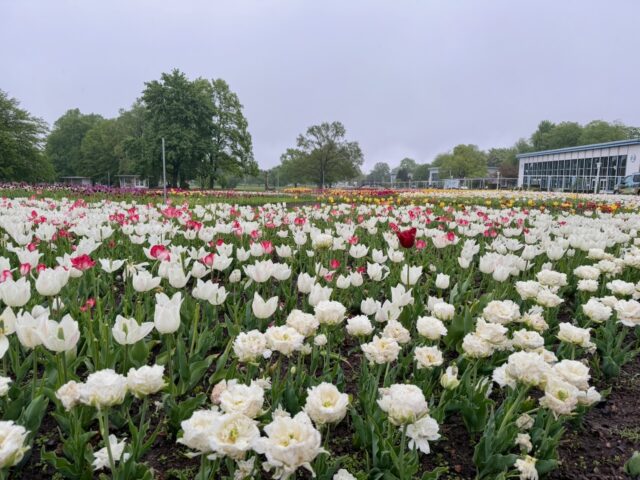
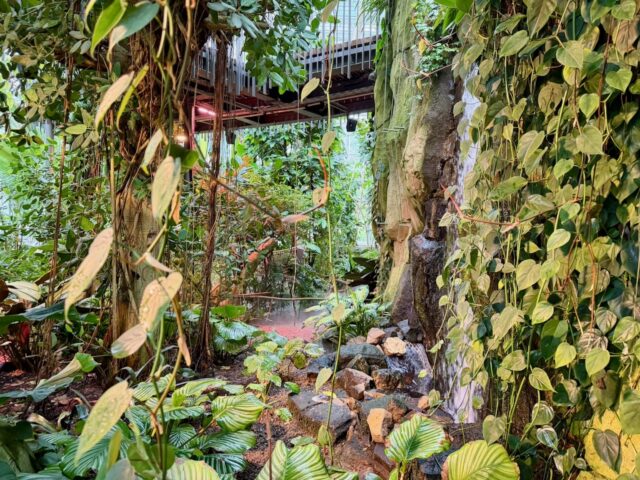
I can also recommend an excursion to Egapark, a 15-minute tram ride from the old town. The park is home to extensive flower gardens and huge greenhouses. My favourite section is Danakil, the desert and jungle house.
Why Erfurt is worth visiting
Erfurt may not enjoy the international fame of Berlin, Munich or Heidelberg, but that is precisely part of its appeal. It remains refreshingly authentic, offering visitors a chance to experience Germany’s medieval heritage without overwhelming crowds.
Whether you are admiring the soaring cathedral, crossing the enchanting Krämerbrücke, uncovering hidden courtyards or tracing the footsteps of Martin Luther, Erfurt rewards slow exploration. For travellers seeking history, architecture and genuine atmosphere, not many places in Germany are as captivating as Erfurt.
How to get to Erfurt
Erfurt is less than 2 hours away by train from Berlin, and about 2.5 hours from Frankfurt.
Where to stay in Erfurt
I recommend a stay of 1-2 nights in Erfurt. There’s a good variety of hotels and B&B’s in the old town. I stayed at Dorint Hotel am Dom, a business hotel with spacious rooms situated opposite the Erfurt Theatre. Another hotel I can recommend is the lovely, family-owned Hotel Domizil. Located at Domplatz, this hotel has beautiful rooms and apartments, and they serve a terrific breakfast.